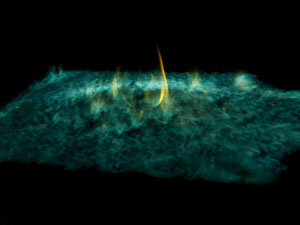
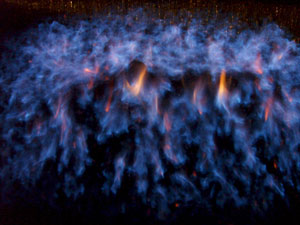
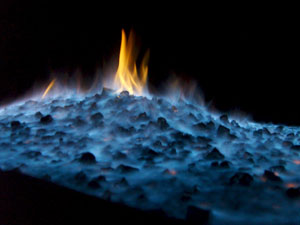
1/2 Gray
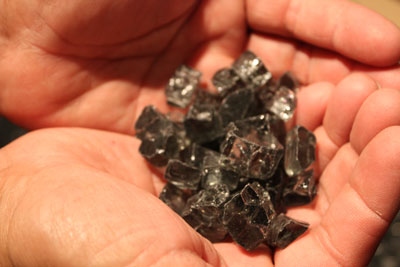
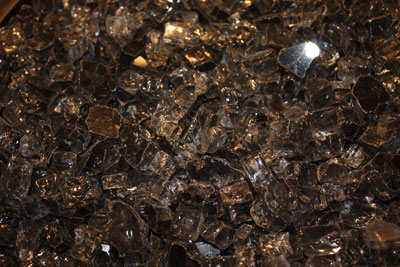
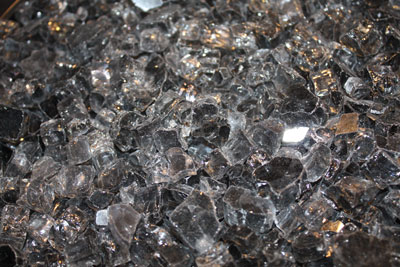
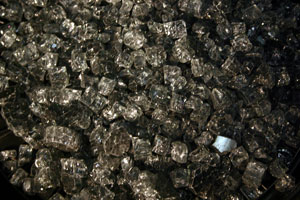
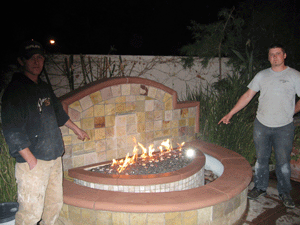
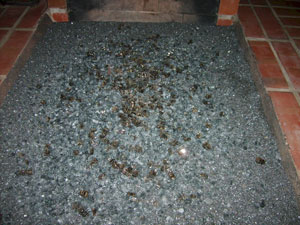
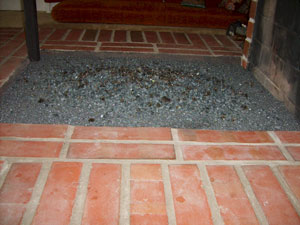
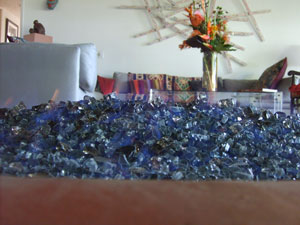
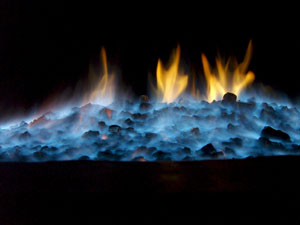
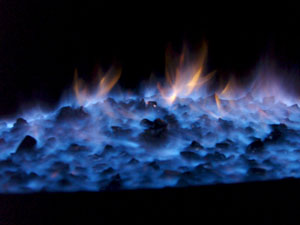
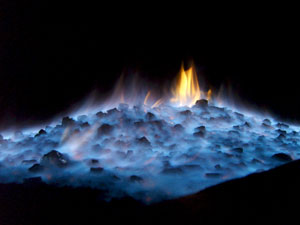
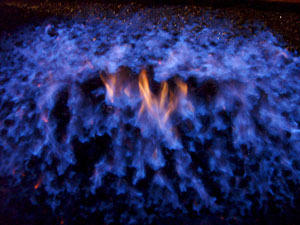
The fire pit above and below have gray, gray reflective, Ice and red topper.
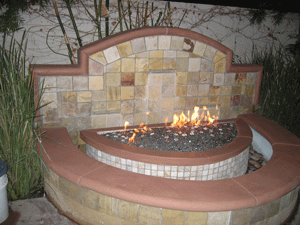
Cool Flames
On this page we will be posting some real cool fire flame pictures. Your more than welcome to send yours.
This fireplace has:
A black silicone base
1/2" gray
bronze
bronze reflective
1/2" bronze
But you can't see that now. We will be posting daytime pictures so you can see the actual glass. We will be posting the yellow flames as well. We will tell you how to do this in the near future, really!
Comments and testimonial by the customer:
Ed
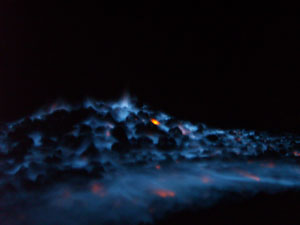
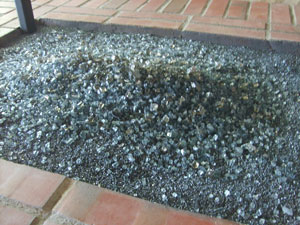
Here are the other shots you requested. I tried many angles, lights, etc., yet could not get an accurate picture of the natural light setting. The silicone carbide is so reflective that it goes to light grey in all of the shots, and the smoke glass looks pale green/blue where in reality it looks almost black.
Another description that may be even more appropriate of the daytime look is that of a neatly piled burned out fire, except that all of the “ash” is reflective and sparkly.
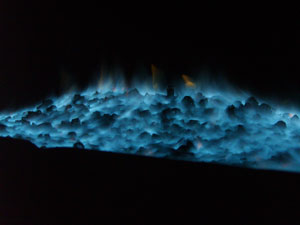
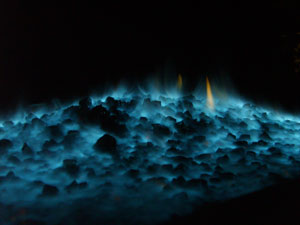
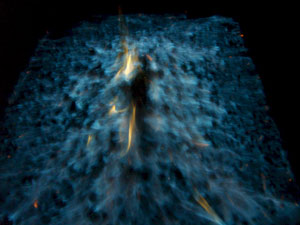
Can not explain why in some of the shots the flame appears greenish. The blue colored flames are not exactly right either. The real color is closer to ultraviolet than anything else.
Several of the shots, including 01, 29, and 50, have been taken from the same location. You can tell the ones taken at full open valve by the increased amount of color in the shots.
Additional photos in separate mailings
Keary
I am very happy with my “new” gas fireplace. I thought I would share with you the enclosed photos taken with an ordinary digital camera with no ambient light except the fire itself. The camera was placed in various locations around the fire on the hearth proper. Unfortunately the stills cannot depict the fire action. What is amazing about the fire is the low spread out blue flame pattern instead of the conventional tall yellow flames in the middle.
The fireplace is open on three sides 30”x40”, The pit was filled with coarse bagged lava rock form Home Depot approximately 1” deep to the bottom of the U shaped burner gas pipe with the holes pointing down. It was then topped with Moderustic fine lava rock to fill in the voids on the top leaving the bottom of the burner only slightly submerged below the layer of the finer lava rock from Moderustic..
The next layer was black sand followed by S----- C-----. The sand was mounded in the center over the burners. A sprinkling of grey glass over the SC and a topper of Bronze ½” glass was sprinkled over the smaller sized matrix to finish. The final product is very dark and reflective with tiny reflections off of the s----- c------ and larger reflections off of the gradated glass during the day and in ambient light. It looks a little like a lava field that you might run across in the Mojave Desert near Barstow. Not at all showy, yet very subtle to the view in daylight.
The coarse lava rock on the bottom layer, with the finer layer on top to keep the gas in longer, acts as manifold carrying gas to all portion of the firebox floor covered with that material. I stopped the coarse rock short of the metal posts in a semi circular shape in plan and backfilled with sand so that the flame would not reach the posts. The visual result around the posts is that the gas reaching the end of the coarse material immediately goes upward creating a flowing arc of fire around the posts. This is seen as a blur in the photos.
The underlying coarse rock distributes the gas pretty evenly across the firebox floor creating a even matrix of small flames on the surface as it works its way up through the media. The extreme perimeter appears more active. There are more constant more steady flames from the mound. Because there is less gas at the perimeter, the gas there burns in horizontal spurts and appears like lightning bolts licking the edges of the firebox.
There are small vortexes of fire that form and sometimes work there way around the base of the mound on the center but usually preferring a particular area to hang out.
The overall effect is one of a dispersed flame. As if the entire bed of the fireplace is afire with a low blue flame. With all the lights out in the room it is quite magical. Not at all anything like a conventional yellow flame in the center. Due to the dispersion of the flame across the large firebox area, there is a lot of heat generated and dispersed into the room instead of up the flue. This is not a design for summer time nights.
Everyone who witnesses this flame is impressed with the “light show” quality of the burn.
In the future I plan to change out the media and experiment with different ways to direct the gas and resultant flame to achieve different effects.
Next time I am thinking of laying a pattern of coarse rock and infilling between the “arms” of coarse rock with sand so that the gas will follow the “arms” and come up in more predictable places, perhaps creating little vortexes or pyres at the ends of the “arms”.
Regards,
Keary Gregg